Introduction
Choosing the right cabinet color is one of the most impactful design decisions when planning a kitchen or bathroom remodel. Beyond personal taste, color selection can influence a home’s marketability and resale value. Forevermark Cabinets, known for their quality construction and variety of finishes, offers an extensive palette tailored to diverse styles—from classic whites to bold, statement hues. In this long-form article, we’ll explore how different color options affect both aesthetic appeal and resale potential, providing a comprehensive guide to help homeowners, designers, and real estate professionals make informed decisions.
The Role of Color in Resale Value and Aesthetic Appeal
Cabinet color serves as the visual anchor for kitchen and bathroom spaces. It sets the tone for design, complements countertops and backsplashes, and can either enhance or detract from the perceived value of a home. Neutral, universally appealing colors tend to attract a broader range of buyers, while more adventurous choices may appeal to niche markets. Strategically selecting a cabinet finish involves balancing timeless appeal with contemporary trends, ensuring that the space remains desirable years after installation.
Timeless White and Off-White Cabinets
White cabinetry remains a perennial favorite. Its clean, bright appearance enhances natural light and creates an illusion of spaciousness—key selling points in smaller kitchens or bathrooms. Forevermark’s white and off-white finishes, such as “Classic White” and “Ivory Linen,” offer subtle warmth to avoid starkness.
-
Resale Advantage: Neutral buyers envision a move-in-ready space. White cabinets provide a blank canvas for personalization without overwhelming the senses.
-
Aesthetic Versatility: Works seamlessly with almost any countertop material—granite, quartz, marble—and pairs beautifully with colorful accents in hardware or backsplashes.
Neutral Grays and Beiges: Versatile Choices
Gray and beige cabinets occupy the middle ground between stark white and bold hues. Forevermark’s “Pebble Gray,” “Taupe Mist,” and “Greige” finishes convey sophistication without dominating the design.
-
Resale Advantage: Subdued tones appeal to modern buyers seeking a refined, contemporary look that remains understated.
-
Aesthetic Versatility: Complements stainless-steel appliances, matte-black fixtures, and industrial-style elements. Ideal for transitional designs that blend classic and modern touches.
Bold and Dramatic Hues: Black, Navy, and Charcoal
Darker finishes like “Midnight Black,” “Navy Harbor,” and “Charcoal Slate” create a dramatic aesthetic. These bold choices make strong statements but require careful pairing with lighter countertops, ample lighting, and coordinated hardware.
-
Resale Considerations: While eye-catching, dark cabinets may narrow the pool of interested buyers. However, in upscale markets or homes with open floor plans, they can boost perceived luxury.
-
Aesthetic Impact: Perfect for accent islands or lower cabinetry, balanced by lighter upper cabinets or open shelving to maintain airiness.
Warm Wood Tones and Stained Finishes
Forevermark’s woodgrain and stained options, such as “Honey Maple,” “Rich Cherry,” and “Walnut Classic,” emphasize natural beauty and craftsmanship. These finishes highlight the grain patterns and bring organic warmth to interiors.
-
Resale Value: Timeless in rustic, farmhouse, or Craftsman-style homes. Neutral wood stains blend with wood flooring, creating cohesion that buyers appreciate.
-
Maintenance: Requires quality sealants to protect against moisture and wear. Well-maintained wood finishes can age gracefully, developing deeper patina over time.
Two-Tone Cabinets: Trending Modern Look
Two-tone cabinetry—mixing one color on upper cabinets and another on lower or islands—has gained popularity. Common pairings include white uppers with navy or charcoal lowers.
-
Resale Appeal: Conveys a custom, designer-crafted feel. Buyers perceive such kitchens as thoughtfully curated, often elevating the home’s market position.
-
Aesthetic Balance: Allows homeowners to enjoy bold colors without overwhelming the entire space.
Accent Cabinet Colors for Visual Interest
Selecting a third, accent cabinet color—often on islands or pantry doors—can inject personality. Forevermark’s “Forest Green,” “Burnt Orange,” or “Mustard Yellow” work well as focal points.
-
Resale Considerations: Accent colors succeed when used sparingly and within cohesive palettes. Overuse may deter conservative buyers but attract those seeking unique character.
Balancing Color with Lighting and Space
Kitchen lighting significantly impacts how cabinet colors appear. North-facing kitchens may benefit from warmer cream or beige tones, while south-facing spaces can handle cooler grays.
-
Small vs. Large Kitchens: Lighter finishes open compact spaces; darker shades add drama to spacious kitchens without feeling oppressive.
Regional Preferences and Market Demands
Various geographic markets favor different palettes.
-
Urban Markets: Sleek grays, charcoal, and two-tone schemes fit contemporary condos and lofts.
-
Suburban Homes: Whites, beiges, and warm woods resonate with family-oriented buyers.
-
Rural and Cottage Settings: Stained woods and muted greens complement rustic environments.
Impact of Color on Perceived Home Value
Studies show that kitchens with neutral-colored cabinets can yield higher sale prices and faster closings. White and light-gray kitchens remain in top demand, reducing time on market.
-
Psychological Factors: Neutral palettes allow buyers to imagine their own decor, while bold choices require visual adjustment.
Color Selection and Kitchen Styles
Different kitchen styles call for distinct color schemes:
-
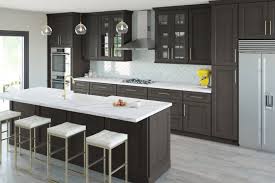
Modern Minimalist: Matte whites, grays, and black.
-
Traditional: Cream, antique whites, cherry stains.
-
Transitional: Greige, muted two-tone combos, balanced contrasts.
-
Farmhouse: White with natural wood islands, pastel accents.
Maintenance and Durability Considerations
Finish type influences upkeep:
-
Glossy vs. Matte: High-gloss hides stains; matte shows fingerprints but lends a contemporary feel.
-
Finish Coatings: Forevermark’s UV-cured finishes resist chipping and fading, crucial for high-use cabinetry.
Expert Insights and Designer Recommendations
Interior designers often recommend sticking with whites or warm grays for full cabinetry, reserving bold hues for islands or hidden areas. Realtor feedback suggests that universally appealing neutrals minimize negotiation haggling and appraisal issues.
Case Studies: Real-World Resale Outcomes
-
Case Study 1: Suburban home updated with white shaker cabinets sold at 3% above asking price, closing within two weeks.
-
Case Study 2: Urban loft featuring two-tone gray and navy cabinets sold at market price but spent 45 days on market—longer than comparable neutral kitchens.
The Impact of Cabinet Color on Home Staging Success
Professional home staging often includes strategic updates to cabinetry finishes. Since cabinets dominate kitchen and bath visual space, outdated or overly personalized finishes can hinder staging efforts.
-
Neutral is Key: Stagers frequently repaint cabinets in shades of white or soft gray using Forevermark’s timeless palettes, especially in listings with older cabinetry still structurally sound.
-
Color Continuity: Coordinating cabinet colors with wall paint, flooring, and appliances ensures visual flow, helping buyers feel that the home is well-maintained and move-in ready.
-
Psychological Influence: Buyers perceive light-colored kitchens as cleaner and more spacious—two major subconscious drivers of purchasing decisions.
Coordinating Cabinet Color with Countertops and Backsplashes
Even the most attractive cabinet color can fall flat if it clashes with countertops or backsplashes. Forevermark cabinets are often selected with popular quartz and granite patterns in mind.
-
White Cabinets + Veined Marble Quartz: Offers a classic, high-end pairing that sells quickly.
-
Gray Cabinets + Concrete or Butcher Block Counters: Appeals to modern and industrial tastes.
-
Wood-Tone Cabinets + Subway Tile: Perfect balance between tradition and trend.
Homeowners upgrading for resale should consider a holistic color approach. Mismatched finishes may look outdated or poorly planned—negatively impacting offers.
Seasonal Color Trends vs. Long-Term Appeal
Design trends shift annually, but cabinets are a long-term investment.
-
Trending Now: In 2025, forest green and deep navy tones are in demand for islands and statement pieces.
-
Longevity Factor: While trends attract attention on design blogs, resale value relies on how well the color ages in real-world settings.
Forevermark allows homeowners to incorporate trends tastefully—like using bold colors on a kitchen island or laundry room cabinets, leaving perimeter cabinets neutral for future flexibility.
Using Cabinet Color to Highlight Architectural Features
Color can be used strategically to draw attention to a home’s best architectural assets.
-
Tall Ceilings or Crown Moldings: White cabinets emphasize vertical space, making rooms feel larger and more open.
-
Open Shelving Areas: Contrasting finishes behind open shelves (e.g., navy or charcoal) can add depth without overwhelming the space.
-
Island Centerpieces: A contrasting cabinet color on the island can create a stunning focal point in open-concept kitchens.
Forevermark’s varied finishes make it easy to highlight or downplay specific structural elements, enhancing the overall visual experience.
Painted Finishes vs. Stained Finishes: What Buyers Prefer
Painted cabinets (e.g., white, gray, navy) dominate recent design trends, while stained cabinets (cherry, walnut, espresso) still hold appeal in traditional markets.
-
Painted Cabinets: Provide a smooth, clean look. Ideal for modern, farmhouse, and coastal themes. Easier to repaint before sale if needed.
-
Stained Cabinets: Showcase natural wood beauty. Best for buyers seeking authenticity and craftsmanship.
Forevermark’s painted collections often include UV-treated surfaces, which reduce fading and are easy to clean—ideal for buyers with families or busy kitchens.
Cost-Efficiency and ROI of Choosing the Right Cabinet Color
Color selection can affect remodeling budgets and ROI (return on investment).
-
White and Gray Finishes: Most popular and widely available, resulting in fewer custom upcharges.
-
Exotic or Custom Colors: May increase cabinetry costs and require special orders, reducing cost-efficiency unless specifically desired by the market.
-
Refacing vs. Replacing: Homes with outdated cabinet finishes may benefit from cabinet refacing using Forevermark’s pre-finished options—offering updated color appeal at a fraction of the cost of a full renovation.
Real estate agents consistently report that cabinetry updates are one of the highest-ROI projects for home sellers, especially when done in neutral tones.
Conclusion: Making the Smartest Color Choice for Lasting Impact
Selecting the ideal cabinet color from Forevermark Cabinets involves much more than picking a shade that “looks nice.” It’s a layered decision that blends personal taste, home design harmony, market trends, and resale strategy. As this article has shown, cabinet color significantly impacts a kitchen or bathroom’s overall ambiance, perceived value, and attractiveness to future buyers.
To learn more about Forevermark Kitchen Cabinets check here: https://mykitchencabinets.com/
Neutral tones—especially white, off-white, and soft gray—consistently prove to be the safest and most effective choices when it comes to boosting resale value. Their universal appeal makes them attractive to a wide range of potential buyers, helping homes sell faster and often at higher price points. Forevermark’s finishes in these tones—such as Shaker White, Ice White, or Greystone—are designed to provide timeless elegance that doesn’t go out of style. They also offer exceptional versatility, easily pairing with various countertop surfaces, backsplashes, and flooring materials.
Warm wood stains like Cherry Glaze, Cinnamon, and Maple hold their ground in more traditional or rustic-style homes, where the natural grain and texture of wood are appreciated for their authenticity and craftsmanship. These options can still yield excellent resale value in the right regional or architectural setting, especially when maintained properly.
Meanwhile, bolder and darker finishes—such as Midnight Espresso, Navy Blue, or Charcoal Slate—can offer an upscale, designer-inspired look that appeals to high-end buyers seeking distinction. When used selectively, such as on kitchen islands or as part of a two-tone cabinetry layout, these dramatic colors can enhance visual interest without alienating potential buyers. However, their success often depends on other factors, such as lighting, layout, and the broader style of the home.
This article also emphasized the importance of cohesion between cabinet colors and other design elements—including countertops, backsplashes, appliances, and flooring. Mismatched finishes can lead to a disjointed or outdated appearance, which may hurt resale potential. Forevermark’s well-curated palette makes it easier for homeowners to coordinate colors and materials without needing expensive customization.
In addition, real estate professionals, home stagers, and interior designers agree that well-chosen cabinet colors significantly influence how quickly a home sells. A clean, bright kitchen or bathroom creates a sense of cleanliness, spaciousness, and care—qualities that signal to buyers that the home has been thoughtfully maintained. Even in competitive real estate markets, something as simple as choosing the right cabinet finish can make the difference between a quick sale and months of lingering on the market.
Ultimately, Forevermark Cabinets offers a flexible, affordable, and visually appealing solution for homeowners who are remodeling for personal enjoyment, resale, or both. The key takeaway is this: choose cabinet colors that are not only stylish and in line with current trends but also aligned with long-term buyer expectations and regional market dynamics.
By doing so, you’re not just creating a beautiful kitchen or bathroom—you’re also making a smart investment in your home’s future value.
